

Symbiotic Relationship: A Complete Guide to Understanding Nature’s Most Powerful Partnerships
The concept of a symbiotic relationship is one of the most fascinating and essential ideas in biology and ecology. It describes how different living organisms interact closely with one another, often forming long-term associations that shape ecosystems, influence evolution, and even affect human life in profound ways. While the term might sound technical, the idea itself is simple and deeply rooted in the natural world. From microscopic bacteria living in the human body to massive ecosystems like forests and oceans, symbiotic relationships are everywhere.
In the United States, where diverse ecosystems range from deserts and grasslands to forests and coastal regions, understanding symbiotic relationships is especially important. These interactions help maintain ecological balance, support agriculture, and contribute to environmental sustainability. Beyond nature, the concept also extends into human society, business, and technology, offering valuable lessons about cooperation and mutual benefit.
This article explores the meaning, types, examples, and significance of symbiotic relationships in a detailed and engaging way. By the end, you will have a complete understanding of how these partnerships work and why they matter so much.
What Is a Symbiotic Relationship?
A symbiotic relationship refers to a close and long-term interaction between two different species. These interactions can take many forms, but they all involve organisms living in proximity and influencing each other’s survival and well-being.
The word “symbiosis” comes from Greek roots meaning “living together.” This definition highlights the core idea that organisms are not isolated entities. Instead, they depend on one another in various ways. Some relationships are beneficial for both organisms, while others may benefit one and harm the other. In some cases, one organism benefits while the other is neither helped nor harmed.
Symbiotic relationships are not limited to a specific environment. They occur in forests, oceans, deserts, and even within the human body. These interactions are essential for maintaining balance in ecosystems and driving evolutionary change.
The Three Main Types of Symbiotic Relationships
Symbiotic relationships are generally categorized into three main types based on how the organisms involved are affected. Understanding these categories helps clarify how different species interact and coexist.
Mutualism
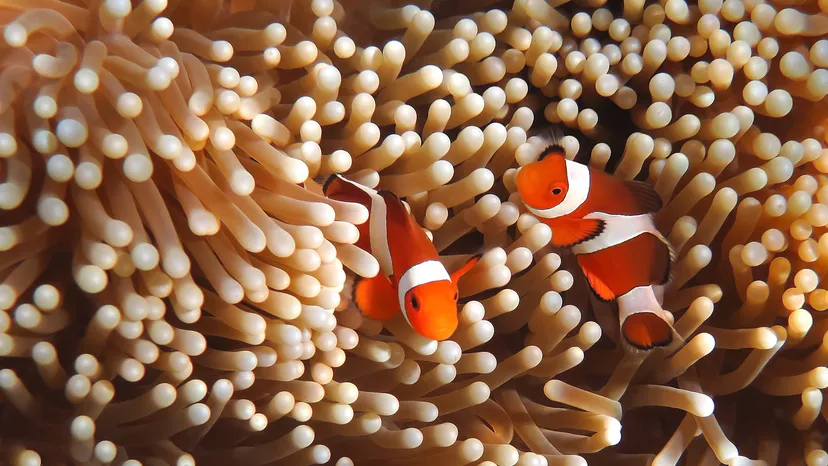
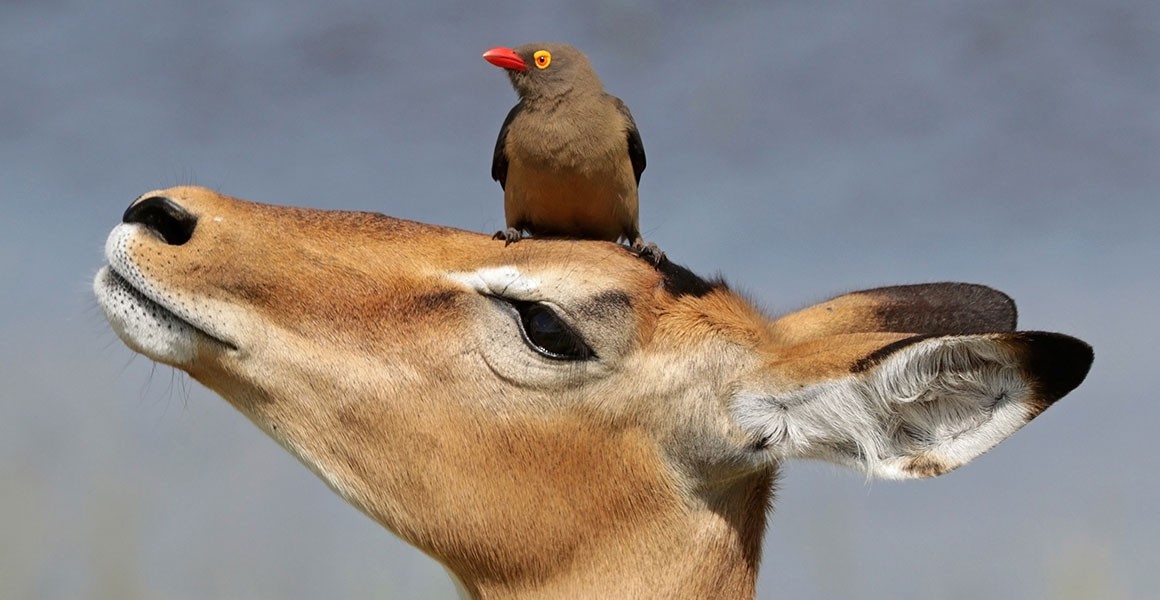
Mutualism is a type of symbiotic relationship where both organisms benefit from the interaction. This is often considered the most positive form of symbiosis because it enhances the survival and success of both species involved.
In nature, mutualism is incredibly common. For example, bees and flowering plants have a well-known mutualistic relationship. Bees collect nectar for food, while plants rely on bees for pollination. This interaction ensures the survival of both species and supports entire ecosystems.
In the United States, agriculture heavily depends on mutualistic relationships like pollination. Crops such as almonds, apples, and blueberries rely on pollinators to produce fruit. Without these interactions, food production would be significantly impacted.
Commensalism
Commensalism is a relationship where one organism benefits while the other is neither helped nor harmed. This type of symbiosis may seem less dramatic, but it still plays an important role in ecosystems.
An example of commensalism is when birds build nests in trees. The birds gain shelter and protection, while the tree remains largely unaffected. Another example is barnacles attaching to whales. The barnacles benefit by gaining access to nutrient-rich water as the whale moves, but the whale is not significantly impacted.
Commensal relationships highlight how organisms can coexist without directly competing or harming each other. These interactions contribute to biodiversity and ecological stability.
Parasitism
Parasitism is a symbiotic relationship in which one organism benefits at the expense of the other. The organism that benefits is called the parasite, while the one that is harmed is known as the host.
Parasites rely on their hosts for nutrients, shelter, or other resources. This relationship can weaken or even kill the host over time. Common examples include ticks feeding on mammals or certain bacteria causing infections in humans.
In the United States, parasitic relationships are a significant concern in agriculture and public health. Farmers must manage parasites that affect crops and livestock, while healthcare systems work to prevent and treat parasitic infections in humans.
Symbiotic Relationships in Ecosystems
Symbiotic relationships are fundamental to the functioning of ecosystems. They influence how energy flows, how nutrients cycle, and how populations are regulated.
In forests, for example, trees often form mutualistic relationships with fungi. These fungi attach to tree roots and help absorb water and nutrients from the soil. In return, the tree provides the fungi with sugars produced through photosynthesis. This partnership enhances the health of both organisms and supports the entire forest ecosystem.
In marine environments, coral reefs are built on symbiotic relationships between coral animals and algae. The algae live inside the coral and provide energy through photosynthesis, while the coral offers protection and access to sunlight. This relationship is essential for the survival of coral reefs, which are among the most diverse ecosystems on Earth.
Without symbiotic relationships, ecosystems would struggle to function. These interactions create networks of interdependence that sustain life at all levels.
Symbiosis and Human Health
One of the most important examples of symbiotic relationships can be found within the human body. Humans host trillions of microorganisms, including bacteria, fungi, and viruses. Many of these organisms form mutualistic relationships that are essential for health.
The human gut, for instance, contains beneficial bacteria that help digest food, produce vitamins, and support the immune system. In return, these bacteria receive nutrients and a stable environment to live in. This relationship is so important that disruptions in gut bacteria can lead to health problems.
Not all microorganisms in the body are beneficial. Some are parasitic and can cause disease. Understanding the balance between beneficial and harmful organisms is a key area of modern medicine.
In the United States, research into the human microbiome has become a major field of study. Scientists are exploring how symbiotic relationships within the body influence everything from digestion to mental health.
Symbiotic Relationships in Agriculture
Agriculture relies heavily on symbiotic relationships to maintain productivity and sustainability. Farmers often depend on natural interactions between organisms to improve soil health, control pests, and increase crop yields.
One important example is the relationship between legumes and nitrogen-fixing bacteria. These bacteria live in the roots of plants like beans and peas, converting nitrogen from the air into a form that plants can use. This process enriches the soil and reduces the need for chemical fertilizers.
Another example is biological pest control, where natural predators are used to manage harmful insects. This approach relies on symbiotic interactions within ecosystems to maintain balance and reduce the use of pesticides.
In the United States, sustainable farming practices increasingly emphasize the importance of symbiotic relationships. By working with natural systems rather than against them, farmers can achieve better results while protecting the environment.
Symbiosis and Evolution
Symbiotic relationships play a crucial role in evolution. Over time, these interactions can lead to significant changes in species, shaping their characteristics and behaviors.
In some cases, symbiotic relationships become so integrated that the organisms cannot survive without each other. This level of dependence is known as obligate symbiosis. An example is the relationship between certain insects and the bacteria they rely on for essential nutrients.
Symbiosis has also contributed to major evolutionary events. For instance, scientists believe that the cells of complex organisms evolved through symbiotic relationships between simpler cells. This idea, known as endosymbiotic theory, suggests that key structures within cells originated from independent organisms that formed mutually beneficial partnerships.
These insights highlight the power of symbiosis as a driving force in the history of life.
Human Applications of Symbiotic Concepts
The idea of symbiotic relationships extends beyond biology into human society, business, and technology. Understanding how cooperation and mutual benefit work in nature can provide valuable insights for solving real-world problems.
In business, companies often form partnerships that resemble mutualistic relationships. These collaborations allow organizations to share resources, expand their reach, and achieve common goals. For example, technology companies may work together to develop new products or services.
In urban planning, the concept of symbiosis is used to design sustainable cities. This approach involves creating systems where waste from one process becomes a resource for another. By mimicking natural ecosystems, cities can reduce waste and improve efficiency.
In education and community development, symbiotic relationships emphasize collaboration and shared success. These principles encourage individuals and organizations to work together rather than compete unnecessarily.
Challenges and Threats to Symbiotic Relationships
Despite their importance, symbiotic relationships are vulnerable to disruption. Environmental changes, pollution, climate change, and human activities can all affect these interactions.
For example, rising ocean temperatures can disrupt the symbiotic relationship between coral and algae, leading to coral bleaching. This phenomenon threatens entire marine ecosystems and the communities that depend on them.
In agriculture, the overuse of chemicals can harm beneficial organisms, weakening natural symbiotic relationships. This can lead to reduced soil fertility and increased reliance on artificial inputs.
In human health, factors such as poor diet, stress, and antibiotics can disrupt the balance of microorganisms in the body. This imbalance can contribute to various health issues.
Addressing these challenges requires a deeper understanding of symbiotic relationships and a commitment to protecting them.
How to Support Symbiotic Relationships in Everyday Life
Individuals can play a role in supporting symbiotic relationships through everyday actions. Simple choices can have a significant impact on ecosystems and overall sustainability.
Maintaining a healthy diet rich in diverse foods can support beneficial microorganisms in the body. Consuming fruits, vegetables, and fermented foods helps promote a balanced gut microbiome.
In gardening and landscaping, using natural methods rather than chemical treatments can encourage beneficial interactions between plants and organisms. Composting, for example, supports microorganisms that enrich the soil.
Supporting sustainable products and practices also helps protect symbiotic relationships in the environment. This includes choosing responsibly sourced food, reducing waste, and conserving resources.
By making informed choices, individuals can contribute to the preservation of these essential interactions.
The Future of Symbiotic Research
The study of symbiotic relationships continues to evolve, with new discoveries emerging across multiple fields. Advances in technology are allowing scientists to explore these interactions in greater detail than ever before.
In medicine, researchers are investigating how manipulating the microbiome can improve health outcomes. This includes developing probiotics and other treatments that enhance beneficial symbiotic relationships.
In environmental science, understanding symbiosis is key to addressing challenges such as climate change and biodiversity loss. By protecting and restoring natural interactions, scientists hope to build more resilient ecosystems.
In biotechnology, symbiotic principles are being used to develop innovative solutions, from sustainable energy production to waste management. These applications demonstrate the potential of symbiosis to inspire new technologies.
The future of symbiotic research holds great promise, offering opportunities to improve both human life and the health of the planet.
Conclusion
Symbiotic relationships are at the heart of life on Earth. They shape ecosystems, influence evolution, and impact human health and society in countless ways. By understanding the different types of symbiosis and how they function, we gain valuable insights into the interconnected nature of living systems.
In the United States and beyond, recognizing the importance of these relationships is essential for addressing environmental challenges, improving agriculture, and advancing scientific knowledge. From the microscopic world within our bodies to the vast ecosystems that sustain life, symbiosis is a powerful reminder that cooperation and interdependence are fundamental to survival.
As we move forward, embracing the principles of symbiotic relationships can help create a more sustainable and balanced world. By protecting these interactions and applying their lessons to human endeavors, we can build a future that benefits both people and the planet.
You may also read: Crafting an Effective Title Tag and Meta Description